
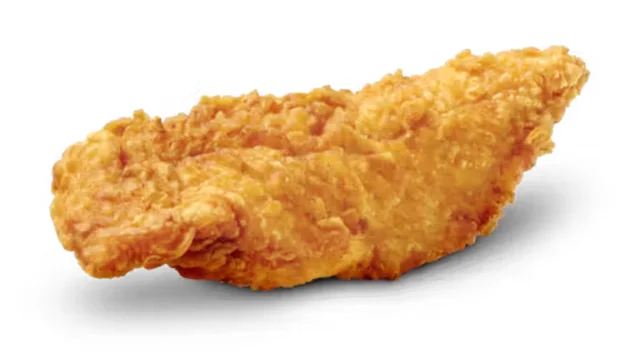
Chicken Finger: Ultimate Guide
Chicken fingers are among the most popular items in fast-food and casual dining menus. Known for their crispy coating, juicy interior, and versatile serving options, chicken fingers have become a staple worldwide. A notable example is Raising Cane’s, which has built its entire brand around serving high-quality chicken fingers as its primary menu item. This guide explores chicken fingers in detail, including preparation methods, ingredients, variations, nutrition, serving styles, and why they remain a global favorite.
What are Chicken Fingers?
Chicken fingers, also known as chicken strips or chicken tenders, are boneless pieces of chicken typically cut from the breast or tenderloin. These pieces are coated with batter or breadcrumbs and then deep-fried or baked until golden brown and crispy.
They are widely served in fast-food restaurants, casual dining establishments, and home kitchens due to their simplicity and universal appeal. Their mild flavor, crunchy exterior, and tender interior make them suitable for all age groups. Chicken fingers are commonly paired with dipping sauces and side dishes, making them a flexible meal option for both quick snacks and full meals.
Chicken Fingers Ingredients
The ingredients used in chicken fingers are simple but essential for achieving the desired taste and texture. While recipes may vary, the core components remain consistent.
Common ingredients include:
- Boneless chicken breast or tenderloin
- Flour or breadcrumb coating
- Eggs or milk (for binding)
- Seasonings such as salt, pepper, garlic powder, and paprika
- Cooking oil for frying
In commercial setups like Raising Cane’s, chicken fingers are hand-battered and freshly fried to maintain consistent quality, flavor, and texture.
Preparation of Chicken Fingers
The preparation process of chicken fingers involves several key steps to ensure crispiness on the outside and tenderness inside.
Typical steps include:
- Cutting the Chicken – Chicken breast is sliced into finger-sized strips.
- Marination (Optional) – Some recipes use buttermilk or seasoning blends for added flavor and tenderness.
- Battering or Breading – The chicken is coated in flour, batter, or breadcrumbs.
- Frying – The coated chicken is deep-fried in hot oil until golden brown.
- Draining – Excess oil is removed to maintain crisp texture.
This process ensures a balanced contrast between a crunchy exterior and a juicy, flavorful interior, which is the hallmark of high-quality crispy chicken strips.
Flavor and Texture Profile
Chicken fingers are widely appreciated for their distinctive taste and texture:
- Crispy outer coating
- Juicy and tender interior
- Mild seasoning that pairs well with sauces
- Slightly salty and savory flavor
The combination of crunch and tenderness is what makes fried chicken tenders so appealing across different cultures and cuisines.
Chicken Fingers vs Chicken Nuggets
Although often confused, chicken fingers and chicken nuggets differ significantly:
- Shape: Chicken fingers are long strips, while nuggets are small and bite-sized.
- Meat Type: Chicken fingers use whole cuts of chicken breast; nuggets may contain processed or ground meat.
- Texture: Chicken fingers maintain a more structured, fibrous meat texture with a crisp coating.
Chicken fingers are generally considered closer to whole-cut chicken products, making them a preferred choice for those seeking a more natural meat experience.
Popular Serving Styles
Chicken fingers are highly versatile and can be served in multiple ways depending on preferences and dining context.
Classic Combo Meals
Chains like Raising Cane’s offer combo meals that typically include chicken fingers, fries, Texas toast, sauce, and a beverage. These combos are designed to provide a complete and satisfying meal.
Dipping Sauces
Popular sauces include:
- Cane’s Sauce
- Honey mustard
- BBQ sauce
- Ranch dressing
- Buffalo sauce
Side Dishes
Common sides include:
- French fries
- Coleslaw
- Mashed potatoes
- Texas toast
Wraps and Sandwiches
Chicken fingers can also be incorporated into wraps, sandwiches, and burgers, adding protein and texture to the meal.
Nutritional Information
Chicken fingers provide a combination of macronutrients depending on preparation methods.
General nutritional aspects:
- Protein: High due to chicken content
- Fat: Increased when deep-fried
- Carbohydrates: Derived from breading or batter
- Calories: Vary based on portion size and cooking method
Grilled or baked chicken fingers typically contain fewer calories and less fat compared to fried versions, making them a healthier alternative.
Health Considerations
While chicken fingers are considered comfort food, moderation is key when including them in a balanced diet.
Important considerations:
- Fried versions contain higher fat content
- Portion control helps manage calorie intake
- Pairing with lighter sides improves nutritional balance
- Grilled alternatives offer healthier options
Balanced consumption ensures that chicken fingers can be enjoyed without negatively impacting dietary goals.
Variations of Chicken Fingers
Chicken fingers are available in multiple variations across different cuisines and preferences:
- Spicy chicken strips with chili seasoning
- Grilled chicken strips as a low-fat option
- Gluten-free chicken fingers using alternative coatings
- Oven-baked chicken tenders for reduced oil usage
- Buttermilk fried chicken fingers for enhanced tenderness
These variations allow customization based on dietary needs and regional tastes.
Why Chicken Fingers Are Popular
Chicken fingers have achieved global popularity due to several factors:
- Easy to eat and convenient
- Mild flavor appealing to a wide audience
- Versatile with sauces and sides
- Quick to prepare and serve
- Consistent taste across locations
Brands like Raising Cane’s have built strong customer loyalty by focusing on a limited but high-quality menu centered around chicken fingers.
Chicken Fingers in Fast Food Culture
Chicken fingers play a significant role in fast-food culture. They are commonly included in combo meals, kids’ meals, party platters, and catering menus.
Their simplicity allows restaurants to maintain consistency while offering customization through sauces and side options. This adaptability makes them a core item in many global fast-food chains.
Homemade Chicken Fingers
Chicken fingers can easily be prepared at home with basic ingredients and simple techniques.
Basic steps:
- Cut chicken into strips
- Season and marinate
- Coat with flour or breadcrumbs
- Fry or bake until golden brown
- Serve with preferred sauces
Homemade versions allow control over ingredients, oil usage, and seasoning levels, making them suitable for personalized diets.
Storage and Reheating Tips
Proper storage helps preserve leftover chicken fingers:
- Store in airtight containers in the refrigerator
- Avoid stacking to maintain crisp coating
- Reheat in an oven or air fryer for best texture
- Avoid excessive microwave heating
These methods help retain flavor and crispiness when reheating.
Pairing Ideas
Chicken fingers pair well with a variety of foods and beverages:
- Soft drinks or iced tea
- French fries or onion rings
- Fresh salads
- Coleslaw
- A variety of dipping sauces
Their versatility makes them suitable for casual meals, parties, and family gatherings.
Conclusion
Chicken fingers remain one of the most widely consumed foods globally due to their crispy exterior, tender interior, and adaptability. Whether served at major chains like Raising Cane’s or prepared at home, they continue to be a preferred choice for individuals and families alike.
Their simplicity, consistency, and wide range of serving options contribute to their lasting popularity. With variations such as spicy, grilled, baked, and gluten-free versions, chicken fingers cater to diverse tastes and dietary needs. As a result, crispy chicken strips and fried chicken tenders will continue to be a dominant category in both fast-food and home cooking environments worldwide.