
Halal Raising Cane? – Full Guide for Muslims
When it comes to fast food, one of the most searched questions among Muslim consumers is whether popular chains follow halal dietary laws. A common query is: Is Raising Cane’s Chicken Fingers halal for Muslims?
The halal status of Raising Cane’s, including ingredients, sourcing, certification, regional differences, and what Muslims should consider before dining.

What Is Halal in Islam?
Before evaluating Raising Cane’s, it is essential to understand the concept of halal in Islamic dietary law.
Halal refers to food that is permissible according to Islam. For meat to be considered halal, it must meet the following conditions:
- The animal must be slaughtered according to Zabiha (Islamic method)
- The name of Allah must be recited during slaughter
- Blood must be fully drained
- The food must not come into contact with haram substances
Any food that does not meet these requirements is considered haram (forbidden).

Is Raising Cane’s Halal?
❌ Short Answer:
No, Raising Cane’s is not halal in most locations.
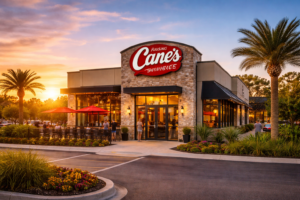
Detailed Explanation
Raising Cane’s Chicken Fingers primarily operates in regions like the United States where:
- Chicken is sourced from non-halal suppliers
- No official halal certification is provided
- Slaughter methods are not Zabiha-compliant
Because of these factors, the food served does not meet halal standards, making it unsuitable for Muslims who strictly follow halal guidelines.
Does Raising Cane’s Offer Halal Options Anywhere?
🌍 Regional Availability
Some international fast-food brands adjust their sourcing based on location. However, Raising Cane’s differs:
- No global halal certification policy
- No consistent halal-certified branches
- Limited or unclear halal presence in Muslim-majority countries
In contrast, chains like KFC and McDonald’s sometimes provide halal menus depending on the country.
👉 Important: Always verify halal status with the specific branch before ordering.

Why Raising Cane’s Is Usually Not Halal
1. Non-Halal Chicken Sourcing
The chicken used is typically not slaughtered according to Islamic principles.
2. Lack of Halal Certification
Halal certification requires approval from recognized Islamic authorities, which Raising Cane’s does not provide in most regions.
3. Cross-Contamination Risks
Even if some ingredients appear halal, contamination may occur through:
- Shared fryers
- Shared kitchen equipment
- Contact with non-halal items
Halal Status of Menu Items
Although the menu at Raising Cane’s is simple, halal concerns apply to all core items.
Chicken Fingers
- Main product of the brand
- ❌ Not halal due to sourcing and slaughter method
Cane’s Sauce
- Made from common ingredients (mayonnaise, ketchup, spices)
- ⚠️ Likely halal ingredients but risk of cross-contact
Fries & Texas Toast
- Plant-based ingredients
- ⚠️ May be cooked in shared fryers
👉 Conclusion: Even non-meat items may not be fully halal-safe.
Can Muslims Eat at Raising Cane’s?
✔️ Depends on Personal Beliefs
Muslims follow different interpretations regarding halal food:
Strict Halal (Zabiha Only)
- ❌ Should avoid Raising Cane’s entirely
Moderate View (People of the Book Meat)
- Some may consider it acceptable
- Still debated among scholars
Flexible Approach
- May consume sides only (with caution)
Halal Alternatives to Raising Cane’s
If you’re looking for similar food that is halal, consider:
- Local halal-certified fried chicken restaurants
- مسلم-friendly fast food chains
- Verified halal dining options in your city
Some locations of KFC offer halal chicken, but confirmation is always required.
How to Check If a Restaurant Is Halal
Before eating at any fast-food chain, follow these steps:
1. Ask the Staff
- Is the chicken halal certified?
- Who supplies the meat?
2. Look for Certification
- Official halal certificate displayed in-store
3. Check Online
- Google reviews
- Halal food directories
- Muslim community forums
4. Contact the Brand
- Visit official website or customer support
Key Considerations for Muslim Consumers
When deciding whether to eat at Raising Cane’s, keep these important points in mind:
- No global halal policy
- Lack of certification transparency
- High cross-contamination risk
- Regional differences in sourcing
👉 If halal compliance is important, choosing certified restaurants is the safest option.
Why Many People Think Raising Cane’s Is Halal
There is confusion among consumers due to:
- The menu only includes chicken (no pork)
- Simple and clean ingredients
- Minimal menu items
However, halal is not just about ingredients—it depends on how the meat is sourced and processed.
Final Verdict: Is Raising Cane’s Halal?
👉 No, Raising Cane’s is not halal in most cases.
Unless a specific location clearly provides verified halal certification:
- Chicken is not Zabiha
- Food is not officially halal
- Cross-contamination is possible
Conclusion
Raising Cane’s Chicken Fingers is widely known for its crispy chicken fingers and simple menu, but it does not meet halal standards in most regions. For Muslims who strictly follow halal dietary laws, it is الأفضل to avoid eating there unless the halal status is clearly verified.
Choosing halal-certified restaurants ensures compliance with religious guidelines and provides peace of mind. Always confirm before dining, especially with international fast-food chains.