

7 Healthier Sources of Vitamin D Than Eggs
Vitamin D is one of the most essential nutrients for overall health, playing a critical role in bone strength, immune system support, and muscle function. While eggs are often considered a convenient source of vitamin D, they actually provide only a small amount—around 40–50 IU per yolk.
If your goal is to improve your vitamin D intake effectively, relying on eggs alone is not enough. Fortunately, there are several foods that contain significantly higher levels of vitamin D and offer better nutritional value. The 7 best vitamin D-rich foods, their benefits, and how to include them in your daily diet.

Why Vitamin D Is Important
Vitamin D helps the body absorb calcium, which is essential for strong bones and teeth. It also supports immune function, reduces inflammation, and contributes to overall health.
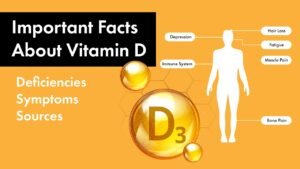
A deficiency in vitamin D can lead to:
- Weak bones and joint pain
- Fatigue and low energy
- Increased risk of infections
- Poor muscle function
Since natural food sources are limited, choosing foods high in vitamin D becomes crucial—especially for people with low sunlight exposure.
1. Fatty Fish (Salmon)
Fatty fish is one of the richest natural sources of vitamin D, and salmon stands out as a top option.
Vitamin D Content
- 500–1000 IU per 100 grams
Benefits
- Rich in omega-3 fatty acids
- Supports heart and brain health
- High-quality protein source
How to Use
Include grilled salmon, baked fillets, or salmon salads in your weekly meals for a powerful vitamin D boost.

2. Mackerel
Mackerel is another oily fish loaded with vitamin D and essential nutrients. It is often more affordable than salmon but equally beneficial.
Vitamin D Content
- 350–600 IU per 100 grams
Benefits
- Supports cardiovascular health
- High in protein
- Helps reduce inflammation
How to Use
Enjoy mackerel grilled, smoked, or added to sandwiches and rice dishes.

3. Sardines
Sardines are small fish packed with nutrients, making them an excellent source of vitamin D.
Vitamin D Content
- 250–300 IU per 100 grams
Benefits
- High in calcium and protein
- Supports bone strength
- Convenient and ready-to-eat
How to Use
Add canned sardines to salads, pasta, or eat them on toast for a quick meal.

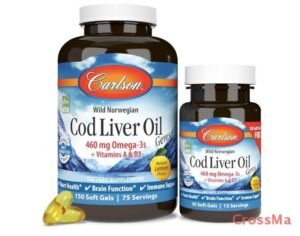
4. Cod Liver Oil
Cod liver oil is one of the most concentrated sources of vitamin D available.
Vitamin D Content
- Up to 1300 IU per tablespoon
Benefits
- Extremely high vitamin D levels
- Rich in vitamin A and omega-3 fatty acids
- Supports immune function
How to Use
Typically consumed as a supplement in liquid or capsule form.
5. Fortified Milk
Fortified milk is a practical and widely available source of vitamin D.
Vitamin D Content
- 100–150 IU per cup
Benefits
- Supports bone health with calcium
- Easy to include in daily meals
- Suitable for all age groups
How to Use
Drink milk directly or add it to tea, coffee, cereals, and smoothies.

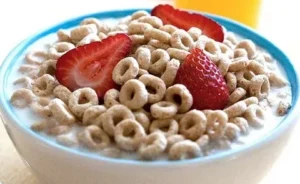
6. Fortified Cereals
Fortified cereals are designed to provide essential nutrients, including vitamin D.
Vitamin D Content
- 80–200 IU per serving
Benefits
- Quick and convenient breakfast
- Often enriched with multiple vitamins
- Ideal for busy lifestyles
How to Use
Combine with milk for a double vitamin D boost in the morning.
7. Mushrooms (UV-Exposed)
Mushrooms are one of the few plant-based sources of vitamin D, especially when exposed to UV light.
Vitamin D Content
- Up to 400 IU per 100 grams
Benefits
- Suitable for vegetarians and vegans
- Low in calories
- Rich in antioxidants
How to Use
Add mushrooms to stir-fries, soups, pasta, or grilled dishes.

Eggs vs These Vitamin D Sources
| Food Item | Vitamin D (Approx.) |
|---|---|
| Egg (1 yolk) | 40–50 IU |
| Salmon (100g) | 500–1000 IU |
| Mackerel (100g) | 350–600 IU |
| Sardines (100g) | 250–300 IU |
| Cod Liver Oil | 1300 IU (1 tbsp) |
| Fortified Milk | 100–150 IU |
| Fortified Cereals | 80–200 IU |
| Mushrooms (UV) | Up to 400 IU |
These numbers clearly show that eggs provide far less vitamin D compared to these alternatives.
Tips to Increase Vitamin D Intake
To maximize your vitamin D levels, follow these practical tips:
- Combine dietary sources with sunlight exposure
- Eat fatty fish at least twice a week
- Choose fortified foods regularly
- Consider supplements if recommended by a healthcare professional
Final Thoughts
Although eggs are a healthy and versatile food, they are not the most effective source of vitamin D. Foods like salmon, mackerel, sardines, fortified dairy, mushrooms, and cod liver oil provide significantly higher amounts and help you meet your daily requirements more efficiently.
By adding these seven vitamin D-rich foods to your diet, you can improve bone strength, support your immune system, and maintain overall health without relying solely on eggs. This balanced approach ensures better nutrition and long-term wellness.